


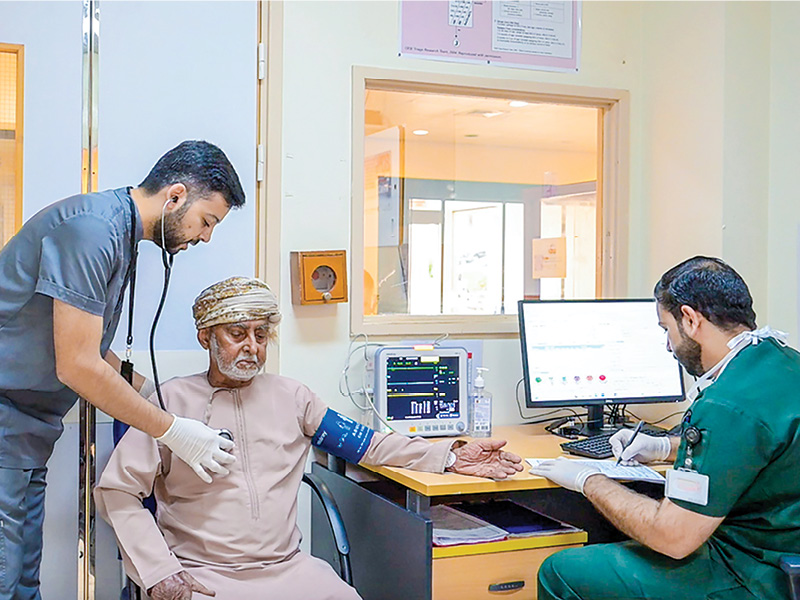
Muscat – As Ramadan approaches, families across Oman are preparing both spiritually and physically for the fasting period. For people living with chronic illnesses, however, Ramadan calls for careful medical and nutritional planning to ensure that fasting does not compromise their health.
Health specialists stress that fasting is not suitable for all patients and should not be undertaken without professional advice.
Speaking to Muscat Daily, Dr Medhat Al Hadi, a nutrition specialist, said patients with chronic conditions such as diabetes, cardiovascular disease, and kidney or liver disorders should consult their doctors before deciding to fast.
“Changes in meal timing and sleep patterns during Ramadan can significantly affect blood sugar levels and overall metabolic balance,” Dr Al Hadi said. “Patients with diabetes – particularly those with a history of severe hypoglycaemia – must be especially cautious. Overeating at iftar can also trigger sharp blood sugar fluctuations and should be avoided.”
He added that a balanced diet is key to maintaining health during the fasting month. “Suhur should be taken as late as possible and include foods rich in fibre and protein. Iftar should be moderate and nutritionally balanced, with an emphasis on vegetables, fruits and lean protein,” he said.

Dr Tantawi Gabr of the Ministry of Health highlighted the importance of medical preparation ahead of Ramadan. “Patients who rely on regular medication must consult their physicians to review treatment plans,” he said. “In some cases, medication doses or timing may need adjustment to align with fasting hours and avoid complications.”
He noted that dehydration is a common risk, particularly for patients with kidney conditions. “It is essential to drink adequate amounts of water between iftar and suhur and to limit caffeinated and carbonated beverages, which can increase fluid loss.”
Dr Gabr also emphasised that patients should not see breaking their fast for medical reasons as a failure to observe Ramadan. “Islam places strong emphasis on preserving health. Medical exemptions exist to protect people from harm. If fasting poses a risk, patients should prioritise treatment and follow medical advice without guilt.”
He cautioned against self-adjusting medication schedules. “Some patients reduce doses or skip medication during fasting hours, which can be dangerous. Any change in treatment must be made under medical supervision.”
Dr Gabr urged families to support relatives with chronic illnesses during Ramadan, noting that cooperation at home can help patients maintain healthy diets and adhere to medication schedules
Doctors also advise patients to monitor their condition closely while fasting and to break the fast immediately if they experience dizziness, extreme fatigue, confusion or symptoms of low blood sugar.
They underline the fact that Ramadan is not only about abstaining from food and drink but also an opportunity to adopt healthier lifestyle habits. By following medical guidance, maintaining a balanced diet and prioritising hydration, patients with chronic diseases can observe the holy month more safely while protecting their wellbeing.