
MUSCAT — Oman’s economy has strengthened significantly over the past five years, with non-oil activities accounting for nearly three-quarters of output and public debt falling to more sustainable levels, the economy minister said on Tuesday.
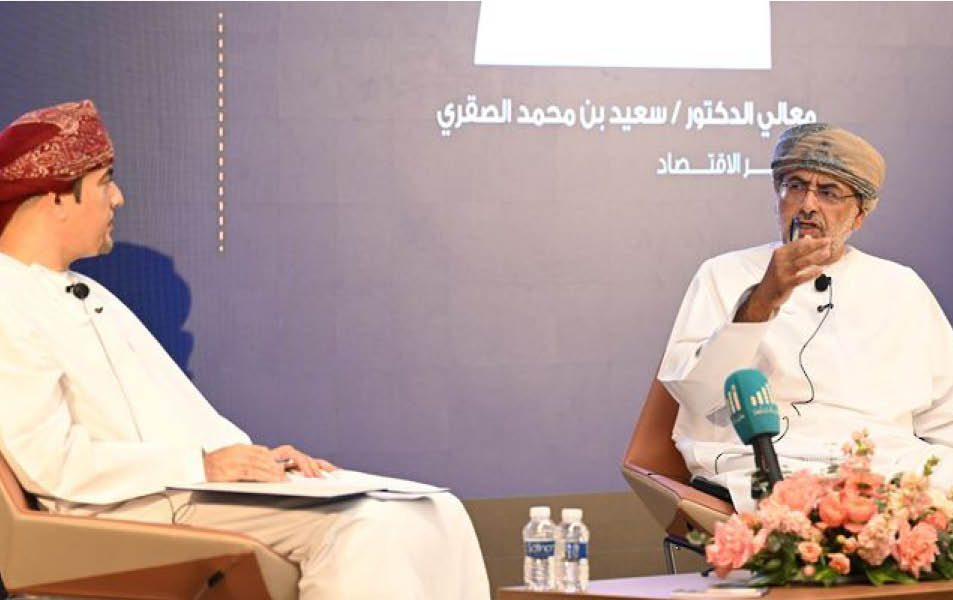
“Non-oil activities now represent 73% of the Omani economy at constant prices, reflecting the success of diversification efforts,” Dr. Said bin Mohammed Al Saqri said during the 29th Economic Forum organised by the Oman Economic Association.
Al Saqri said public debt stood at 14.1 billion Omani rials ($36.6 billion) in the first half of 2025, while the government had targeted average annual growth of about 5% during the 2021–2024 period. Non-oil activities grew by 4.1% in the first half of 2025, compared with growth of 0.5% in oil activities, he added.
Citing forecasts by the International Monetary Fund, Al Saqri said Oman’s economy is expected to grow by 4% in 2026, compared with 2.9% in 2025. The Ministry of Economy projects growth of 2.6% in 2026, up from 2.2% this year.
The minister said the global economic outlook remains challenging, pointing to rising protectionist trade policies, accelerating climate change and persistent concerns over inflation and global debt levels between 2019 and 2025.
He also highlighted sweeping economic and financial reforms introduced in 2025, including updates to the Central Bank framework, the issuance of a new banking law, the establishment of an investment and commercial court, and new legislation covering electronic transactions, public finance, special economic zones and free zones. Additional reforms included laws on real estate regulation, personal income tax, public revenue collection and social protection, with 577 million rials allocated for social benefits in the 2025 budget.
Looking ahead, Al Saqri said the 11th Five-Year Development Plan (2026–2030) is designed to deliver tangible development outcomes and ensure broad societal participation, aligning medium-term planning with the long-term goals of Oman Vision 2040. The plan will rely on results-based planning, performance indicators and scenario modelling to respond effectively to shifting regional and global dynamics, he said.
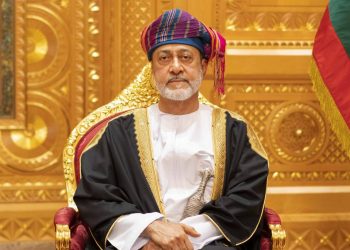
Khalid bin Saeed Al Amri, chairman of the Oman Economic Association, said Oman’s economic journey between 2020 and 2025 demonstrated resilience and disciplined execution under the leadership of His Majesty Sultan Haitham bin Tarik.
He said Oman reduced public debt from levels exceeding 60% of gross domestic product to safer thresholds, achieved fiscal surpluses supported by higher oil prices and economic reforms, and secured upgrades to its sovereign credit rating to investment grade, reflecting growing international confidence in the Sultanate’s economic policies.