

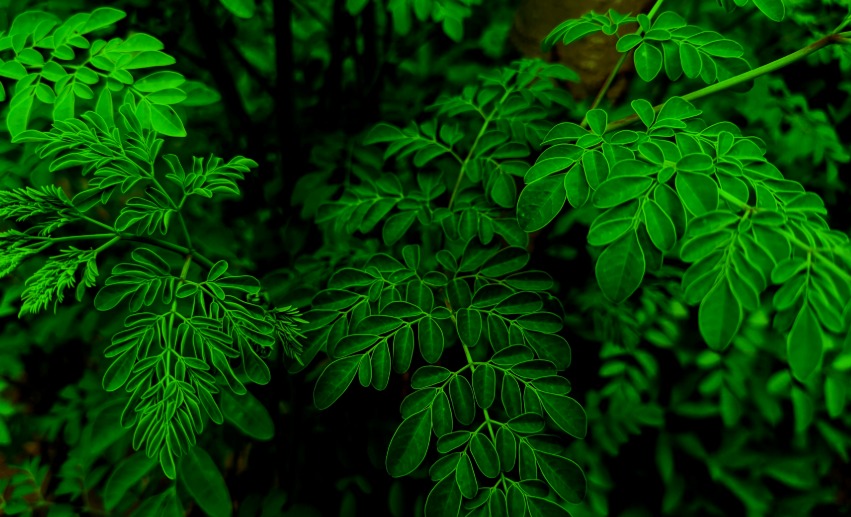
MUSCAT : Researchers at Sultan Qaboos University (SQU) have found that extracts from moringa leaves may help reduce the growth and survival of certain cancer cells, adding to growing scientific interest in the plant’s possible therapeutic properties.
The study, led by Dr Shadia Mohammed Al Bahlani from SQU’s College of Medicine and Health Sciences, was carried out by a multidisciplinary team from the College of Medicine and Health Sciences and the College of Agricultural and Marine Sciences, in collaboration with private sector companies.
Researchers examined how moringa leaf extract affects programmed cancer cell death, known as apoptosis, an area that has remained insufficiently understood despite extensive previous research on the plant’s medicinal properties.
The team assessed the impact of the extract on breast, ovarian and gastric cancer cells, analysing both its cytotoxic effects and its ability to induce apoptosis. Scientists involved in the research included Dr Eithaar Al Barwani, Dr Samiya Al Jaaidi, Dr Jamal Al Sabahi and Dr Azzah Al Hashmi.
Preliminary findings showed that higher concentrations of moringa leaf extract significantly reduced cancer cell viability and impaired the cells’ ability to form colonies. Gastric cancer cells were found to be more sensitive to the extract than breast and ovarian cancer cells.
While the concentration required to inhibit 50% of cancer cell growth varied across the different cell types, the overall results indicated a positive trend, suggesting moringa leaves may have potential as a natural anti-cancer agent, the researchers said.
They cautioned that further studies are needed to better understand the mechanisms involved and to evaluate the extract’s effectiveness and safety beyond laboratory settings.
For all the latest news from Oman and GCC, follow us on Twitter, Instagram and LinkedIn, like us on Facebook and subscribe to our YouTube page, which is updated daily.