

Muscat: In its latest report, Standard & Poor’s highlighted that Oman’s stable outlook is driven by robust fiscal buffers and a solid external framework. The agency noted that liquid government assets exceed 40 percent of GDP, while foreign exchange reserves are nearing 20 percent of GDP.
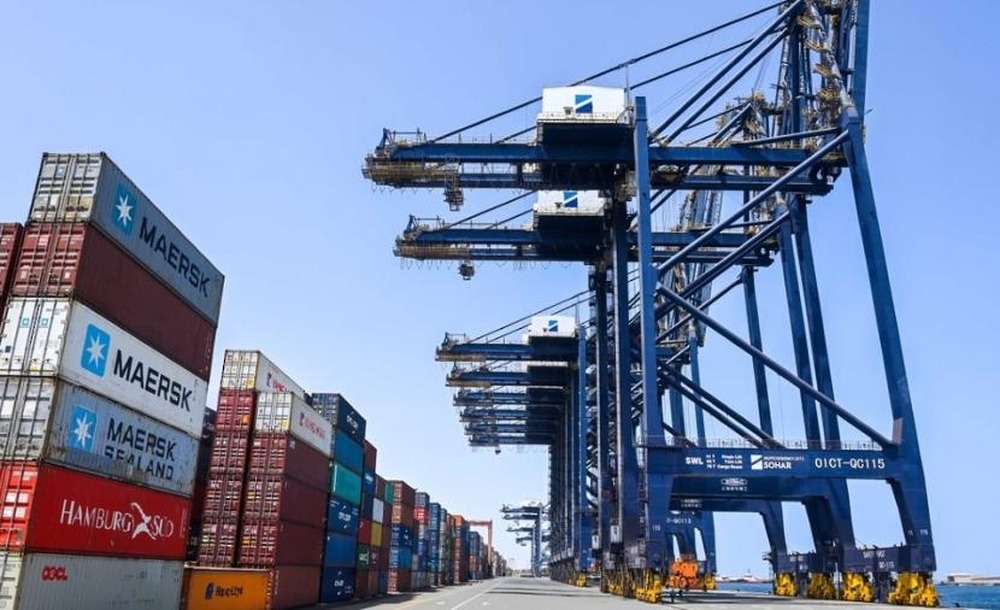
Oman’s strategic geographical position has also enabled uninterrupted oil and gas exports, even amid heightened regional tensions, supporting trade performance and strengthening public finances. The agency observed that recent geopolitical developments have, in fact, contributed to improved trade indicators.
Looking ahead, real GDP growth is projected to reach around 1.4 percent in 2026, before accelerating to an average of 2.3 percent between 2027 and 2029. This growth is expected to be driven by continued momentum in non-oil sectors, alongside rising oil prices and increased production. Brent crude is forecast to average approximately $80 per barrel in 2026, easing to around $65 in the following years.
On the fiscal front, Oman is expected to achieve a balanced budget in 2026, an upward revision from earlier projections of a slight deficit. The agency also anticipates modest fiscal surpluses averaging 0.4 percent of GDP from 2027 to 2029, supported by prudent spending controls, improved non-oil revenues, and steady hydrocarbon output.
Public debt is projected to decline to 31 percent of GDP by 2029, down from about 35 percent in 2025, while liquid assets are expected to remain strong at around 40 percent of GDP. Foreign reserves are forecast to stay within the range of $19 billion to $21 billion over the same period.
Oman’s external position remains equally strong, with current account surpluses expected to reach 2.3 percent of GDP in 2026 and average 2 percent through 2029, backed by stable export flows and improved trade dynamics. Inflation is projected to remain moderate at approximately 1.5 percent annually between 2025 and 2028.
The report also highlighted the government’s continued efforts in fiscal discipline, including rationalising subsidies, enhancing spending efficiency, and boosting non-oil revenues.
On the diversification front, Oman is set to strengthen its position in renewable energy, green hydrogen, and low-carbon ammonia, aligning with its long-term goal of achieving carbon neutrality by 2050. These initiatives are expected to support sustainable growth and position the country as a regional hub for clean energy.
Standard & Poor’s noted that Oman’s credit rating could see an upgrade over the next two years if geopolitical risks ease and reforms aimed at strengthening institutions, enhancing diversification, and improving fiscal buffers continue.